For Indian H-1B holders watching the EB-2 backlog stretch toward 20+ years, navigating layoff exposure, or planning around a child’s OPT expiry, EB-5 has shifted from a niche option to a primary residency pathway. The 2026 IIUSA EB-5 Industry Forum — held in Washington, D.C. at the end of April — released the most comprehensive view yet of where the program stands four years after the Reform and Integrity Act of 2022 (RIA). For Indian investors filing today, the picture is decisively positive — and the data points to one strategic path.
Key Takeaways at a Glance
The Bottom Line: The 2026 IIUSA forum data confirms that for Indian investors, the reserved rural category is the strategic path — and the September 30, 2026 deadline is the operational pressure point. A 25-fold rise in Indian filings, a 97% I-526E approval rate, and a substantially underutilized rural visa pool define the most favorable moment Indian investors have had in EB-5 since the program’s modern era began. The right response is a high-quality, I-956F-backed rural filing — submitted with months of margin before the deadline.
1. India Is Now the World’s Second-Largest EB-5 Market
Indian EB-5 filings have moved from niche to scale in three years. Forum data confirmed that India’s annual filing volume grew from 75 petitions in FY2022 to 1,902 in FY2025 — a roughly 25-fold expansion. Cumulative post-RIA filings now total 3,289, representing 23% of global EB-5 demand. India sits firmly in second position behind China and ahead of every other source country.
Three-year explosive growth. India’s annual filing count rose from 75 (FY2022) to 1,902 (FY2025), a 116% jump in the most recent year alone.
Global #2 market position. With 3,289 cumulative post-RIA filings, India represents 23% of worldwide EB-5 demand and the world’s second-largest investor base.
Rural reserved category dominates. Indian investors have filed 1,767 rural petitions vs. 1,380 HUA petitions — a 56% rural tilt that reflects deliberate alignment with rural EB-5 priority processing and the larger annual rural visa allocation.
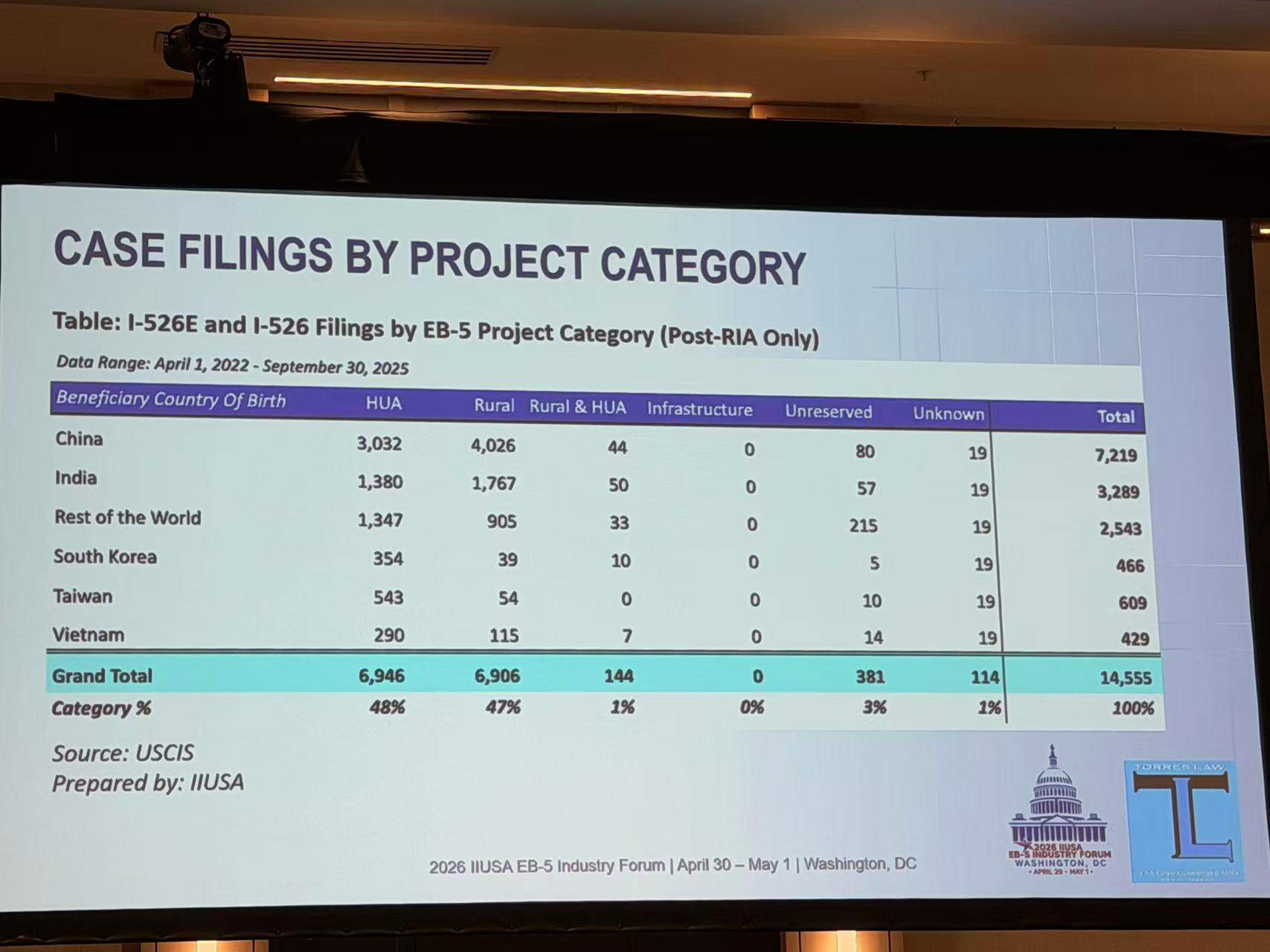 Figure 1: Data Analysis Image from the Invest In the USA (IIUSA) 2026 Forum
2. Reserved Visa Supply Far Exceeds Current Indian Demand
One of the most actionable insights from the forum was the visa supply data for FY2025 and the projection for FY2027. For investors in the reserved category — particularly rural — the supply-demand picture remains favorable in a way that does not match the broader narrative of an EB-5 “rush.”
FY2025 utilization: rural at 16%, HUA at 10%. Of the visas allocated to the rural category, only 16% were used in FY2025 (3,716 unused). HUA was even more underutilized at 10% (1,989 unused). For investors filing today, visa supply is not the bottleneck.
FY2027 reserved capacity: ~6,390 visas. Forum projections show up to 4,260 rural visas plus 2,130 HUA visas may be available in FY2027. Against cumulative Indian reserved approvals of just 547 through mid-2025, the runway remains substantial.
Rural priority adjudication confirmed. A FOIA-released dataset shared at the forum confirmed that 80% of all I-526E approvals to date have been for rural projects, vs. just 19% for HUA. USCIS is allocating its adjudication capacity to rural cases first — making I-956F approved rural EB-5 the fastest path to a green card today.
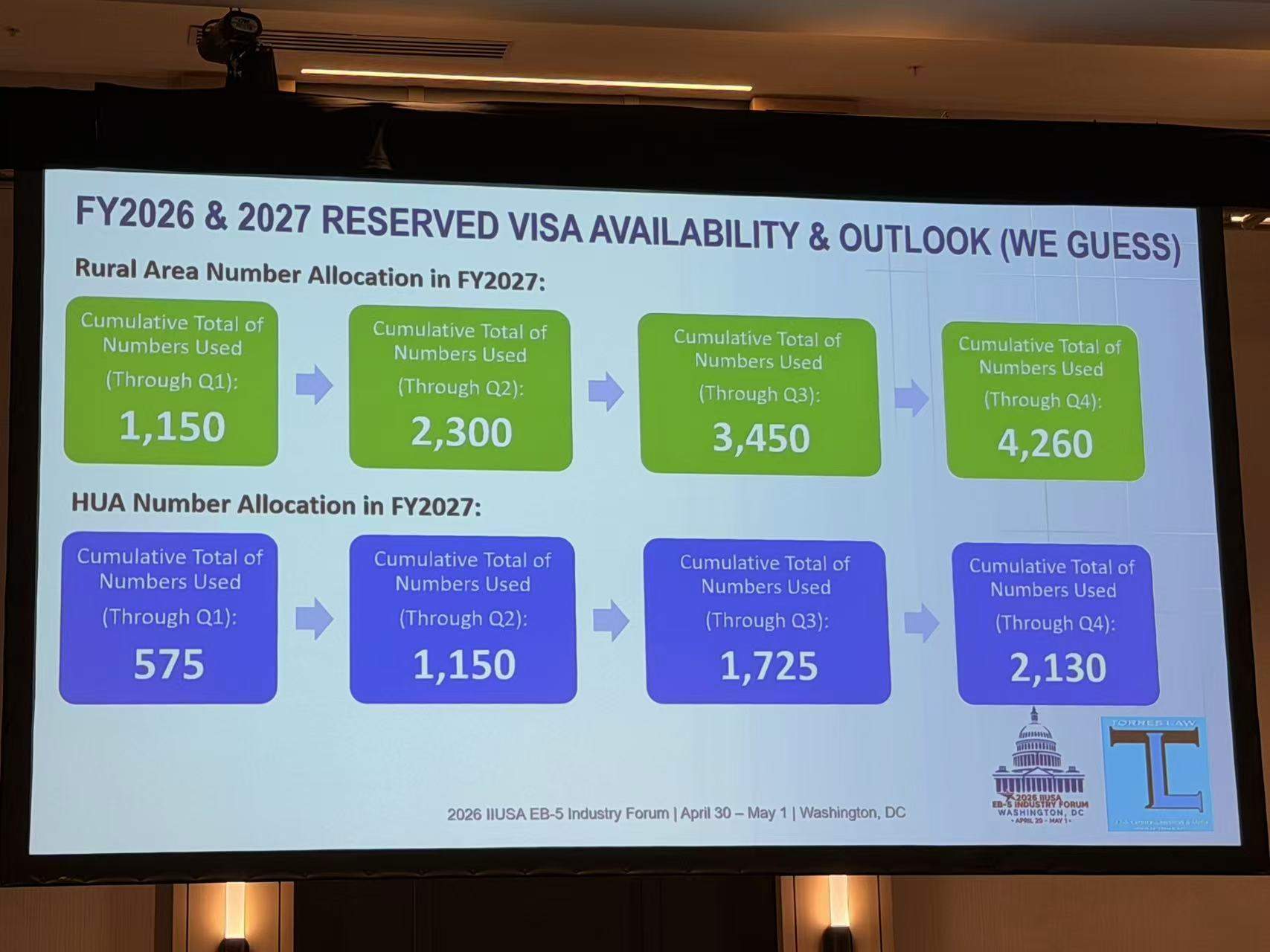
Figure 2: Data Analysis Image from the Invest In the USA (IIUSA) 2026 Forum
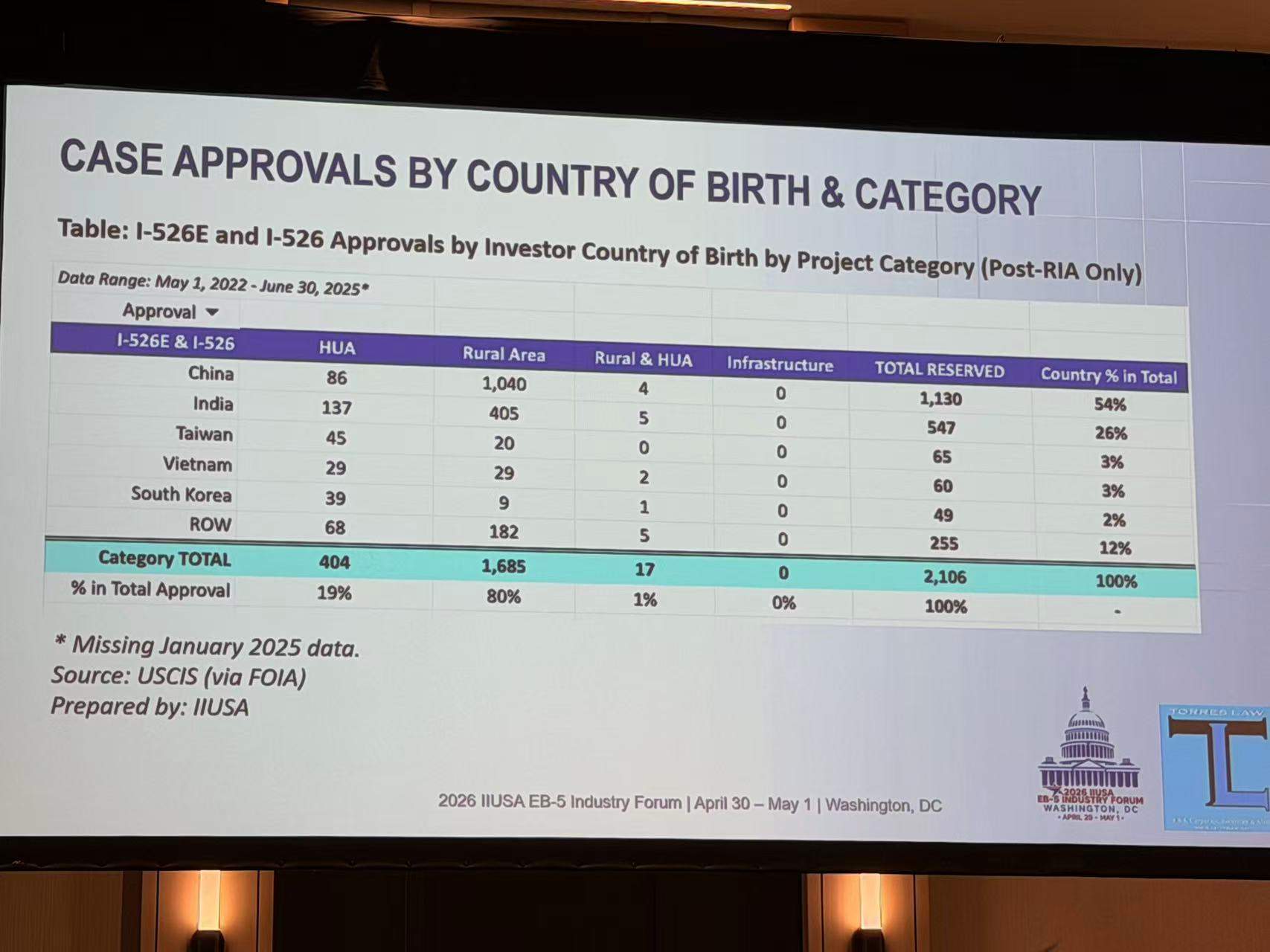
Figure 3: Data Analysis Image from the Invest In the USA (IIUSA) 2026 Forum
3. Forum Predictions on Visa Bulletin and Adjudication
Forum panelists framed the visa-bulletin trajectory in clear terms: the current “all current” status for reserved categories will not last indefinitely as the post-RIA approval pipeline matures. The key takeaway for Indian investors is that filing position relative to peers — not absolute visa availability — is what protects against future timing risk.
Three-phase outlook for the reserved categories. Forum predictions framed the trajectory in three stages — current (no backlogs in either rural or HUA), medium-term (rural may begin to show backlog as approvals accumulate and global demand shifts toward rural), and longer-term (a sudden, larger retrogression possible as cumulative post-RIA approvals catch up to the reserved annual allocation).
HUA likely to wait longer than rural. Because USCIS is prioritizing rural adjudication, HUA cases are forecast to face longer I-526E processing times than rural cases — independent of when each was filed.
Indian unreserved dates advanced 761 days. From October 2025 to May 2026, India’s unreserved Filing Date moved from April 1, 2022 to May 1, 2024 — a 761-day jump. The Final Action Date advanced 454 days. Even with this advance, the unreserved Final Action Date for India remains roughly four years behind the reserved category as of mid-2026. And unlike reserved, the unreserved category is structurally subject to retrogression once backlog re-accumulates. Forum analysis was clear: the recent advance is a backlog-clearing artifact, not a stable opening. The reserved category remains the more reliable path for Indian filers.
4. The September 30, 2026 Deadline — and the Filing Surge Forum Experts Expect
Forum predictions converged on one expectation: a historic filing surge in 2026 ahead of the September 30 grandfathering deadline, mirroring the 2019 pattern but at a larger scale. For Indian investors, the practical question is not whether to file, but how to file with quality.
Historical pattern, larger stakes. The 2019 pre-deadline rush is the closest analogue, but post-RIA grandfathering protects significantly more investor-side value — making the 2026 surge expected to be larger.
Quality over speed. Forum voices specifically warned against repeating the 2019 mistake of last-minute, draft-quality filings. Many regional center operators stated their plans to concentrate new I-526E filings in the first half of 2026, leaving the final months for legal preparation and documentation review.
Industry voices on extension scenarios. A modest theme at the forum was the historical pattern of EB-5 grandfathering provisions being preserved through legislative renewals — leading some industry observers to anticipate a similar outcome around the September 2026 timeline. This view should be treated as cautious commentary, not relied upon. The prudent stance for any investor with capital ready and a project selected is to file on the current deadline as if no extension will occur.
5. What This Means for Indian Investors Choosing a Project
The forum data points to a clear strategic profile for Indian investors filing in 2026: a rural reserved project with I-956F approval, structured for fast adjudication and visible job creation, with an institutional sponsor accountable for capital protection.
Rural TEA designation. USCIS adjudication priority plus the larger annual visa quota (4,260 vs. 2,130 HUA) make rural the structurally favored category for Indian filings.
I-956F project approval. Removes USCIS-side project risk before investor capital is deployed and visibly correlates with faster I-526E timelines for individual investors.
Construction underway, jobs creating. Job creation in process at filing time directly supports both I-526E and I-829 timelines — critical for Indian investors operating against a tight personal timeline: a 60-day H-1B grace period after layoff, an OPT clock running down on a child, or simply the cost of waiting another decade in EB-2 limbo.
Institutional NCE Manager. Capital structure, oversight, and contingency capability matter more than headline returns. Institutional fund-backed NCE Managers are not standard across the industry, and the forum data underscored why the distinction matters as the program matures.
Beyond Paradise 1 — How the Project Aligns with These Criteria
For Beyond Paradise 1, the structural alignment is direct: a rural TEA project on Hawaii’s Big Island with USCIS-approved I-956F status, developed by Watt Companies — an institutional sponsor with 77+ years of operating history. The first investor I-526E approval was returned in seven months, consistent with the FY2025 macro pattern on rural reserved adjudication speed. The specifics that matter most for an Indian investor filing in 2026:
Rural TEA + I-956F approved. Reserved-category eligibility from day one of filing. No waiting for project-level adjudication; no queuing behind the unreserved India backlog.
40+ jobs per investor — a 4× buffer above the USCIS minimum. USCIS requires 10 qualifying jobs per EB-5 investor for I-829 approval. Beyond Paradise 1 is structured to deliver more than 40 per investor across construction, ongoing operations, and the resort-style short-term rental program. For Indian investors who must clear both I-526E and I-829 to convert from conditional to permanent residency, this margin is the most important number on the page.
Construction underway, jobs already creating. The project is in active build-out across 24.5 acres, 23 buildings, and 122 homes. Jobs are being created in real time, not on a forecast. For investors filing under H-1B time pressure, this materially compresses the path to I-829 conditional removal.
Small, controlled EB-5 raise. Only 30 EB-5 investors at $24M total — a small share of the project’s capital stack. The project does not depend on a long EB-5 fundraising cycle to fund construction, which removes a common source of timeline risk seen in larger raises.
Institutional sponsor with operating depth. Watt Companies has operated through multiple real estate cycles since 1947. For Indian families committing $800,000 of family capital, the question of who is actually building, operating, and accountable carries the same weight as the legal structure.
Senior loan, first position. Capital is deployed in a senior secured position — not subordinated equity. In a downside scenario, senior position capital is repaid before junior tranches.
I-526E Withdrawal Protection. If USCIS denies the petition for project-level reasons, the investor’s capital pathway is protected at the filing stage. Most projects in market do not offer this structural protection.
Beyond International Group serves as your fiduciary NCE Manager — backed by an institutional fund platform — applying the same rigor to your EB-5 investment that we apply to every fund we manage.
If you are seeking an EB-5 project with rural reserved category benefits, I-956F approval, and an institutional NCE Manager, Beyond Paradise 1 is an opportunity not to be missed.