
Beyond has reached a major milestone for its Hawaii Big Island EB-5 project: USCIS has officially approved Form I-956F, following an on-site Kona due diligence visit led by our CEO, Jenny Zhan.
This update combines two high-signal indicators for investors: verified on-the-ground execution and a completed USCIS project-level review under the EB-5 Reform and Integrity Act framework.
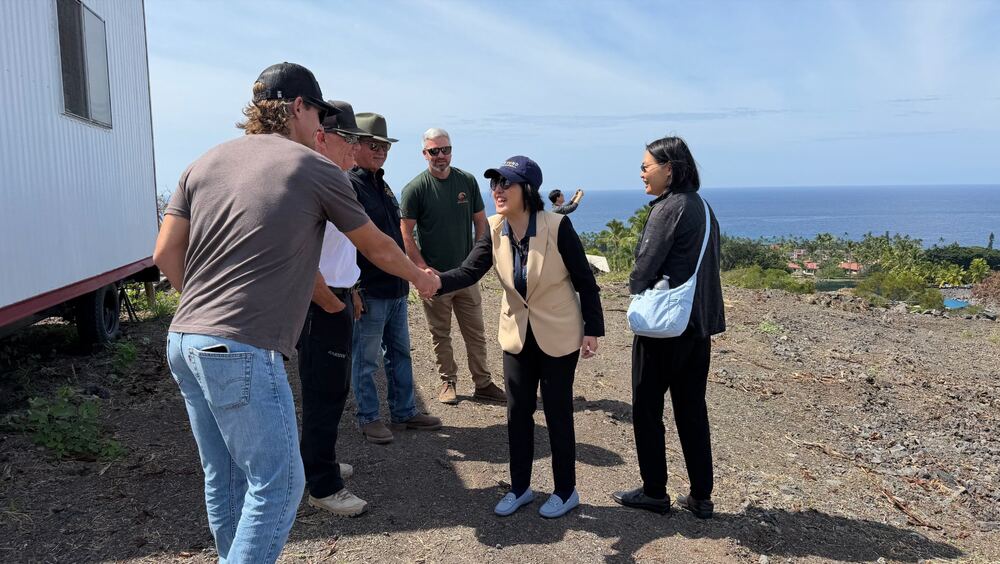
1) On-Site Due Diligence in Kona
Last week, Beyond’s due diligence team conducted a five-day site inspection in Kona, Hawaii. Jenny Zhan personally led the delegation and reviewed project progress together with investors—prioritizing field-based validation beyond paperwork alone.

2) USCIS I-956F Approval: What It Means
Immediately following the site visit, USCIS issued formal approval of Form I-956F. This approval indicates that USCIS has reviewed and accepted the project’s business plan, economic impact analysis, and job creation methodology at the project level.
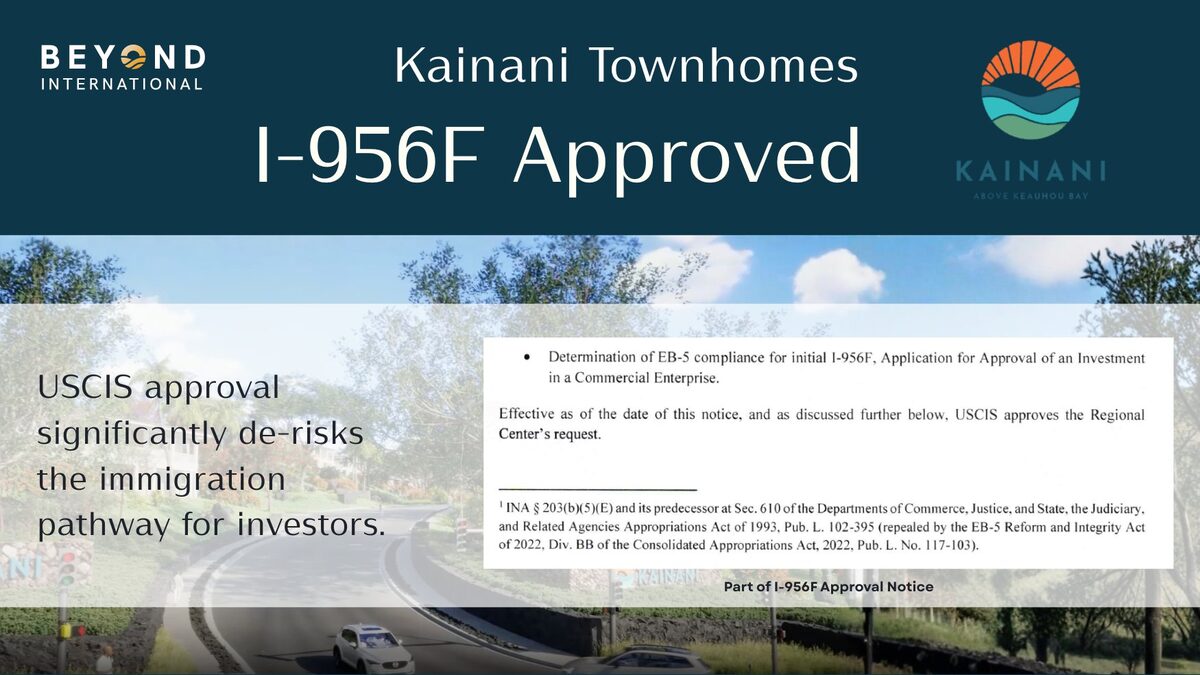
- Regulatory confirmation: USCIS completed substantive review of key project-level compliance elements.
- Reduced project-level re-review risk: When investors file Form I-526E, project-level documentation previously approved under I-956F is generally not re-adjudicated, assuming material consistency.
- Rural category positioning: As a qualifying rural project, it remains aligned with the 20% annual reserved visa allocation category and is eligible for priority processing (subject to visa bulletin demand dynamics).
3) Construction Progress and Execution Capacity
During the Kona site visit, active construction operations were observed, including ongoing foundation and infrastructure work. Visible progress matters because construction activity and execution discipline are directly tied to job creation modeling and long-term I-829 outcomes.

Beyond representatives also met with the developer, Watt, to review construction milestones, capital deployment sequencing, and funding structure—core factors in execution-risk assessment.
4) The Policy Window for Rural EB-5
Under the EB-5 Reform and Integrity Act of 2022, rural projects benefit from a 20% reserved visa allocation and priority processing. While rural categories are currently positioned without retrogression, allocation dynamics can evolve as filing volume increases—making timing a strategic consideration.
5) Beyond’s Due Diligence Philosophy
Beyond’s framework prioritizes first-hand verification, direct developer engagement, and continuous monitoring of capital deployment and construction benchmarks. Investor confidence should be grounded not only in documentation, but in confirmed operational execution and ongoing oversight.
If you would like to review the project positioning, rural EB-5 strategy considerations, and next steps for I-526E planning, we welcome you to schedule a free consultation with our team.